

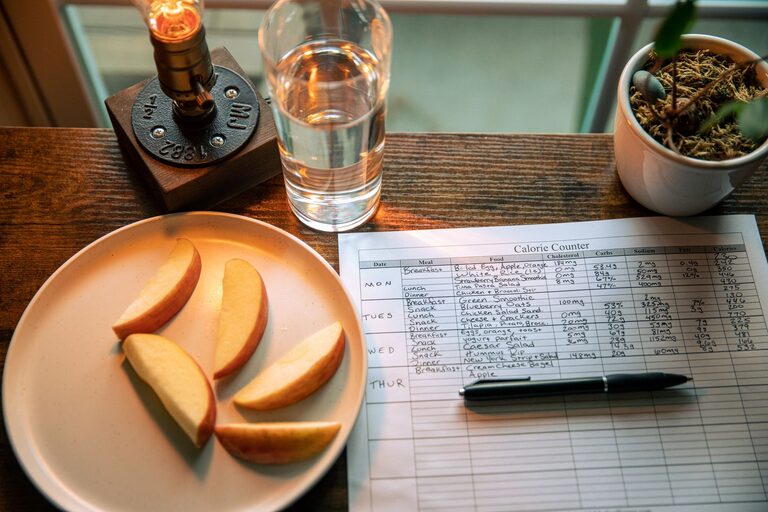
Planning balanced meals can feel overwhelming, especially with busy schedules and limited time. However, eating well doesn’t have to be complicated or stressful. With a few simple strategies, you can create nutritious, tasty meals that support your health and fit your lifestyle.
In this guide, we’ll explore practical steps for planning balanced meals without stress.
What Is a Balanced Meal?
Before diving into meal planning, it’s helpful to understand what a balanced meal looks like. A balanced meal typically includes a combination of:
– Protein: Supports muscle repair and keeps you full (examples: chicken, beans, tofu).
– Vegetables: Provide vitamins, minerals, and fiber.
– Whole grains or starchy vegetables: Supply energy through complex carbohydrates (examples: brown rice, quinoa, sweet potatoes).
– Healthy fats: Support brain health and cell function (examples: olive oil, nuts, avocado).
– Fruits: Add natural sweetness and nutrients.
By including a variety of these components, you ensure your body gets the nutrients it needs.
Step 1: Start with a Simple Framework
To reduce stress, start with a basic meal framework to guide your planning. For example:
– Half your plate filled with vegetables or salad
– One quarter with lean protein
– One quarter with whole grains or starchy vegetables
– A small portion of healthy fats included during cooking or as toppings
This visual guide helps you quickly assemble balanced meals without overthinking the details.
Step 2: Plan Ahead but Keep It Flexible
Meal planning doesn’t mean you need to schedule every meal down to the minute. Instead, try planning your meals for the week ahead by:
– Choosing 3–5 main meals you enjoy and can prepare easily.
– Writing a simple shopping list based on those meals.
– Allowing space for leftovers or easy swaps if plans change.
Planning ahead saves time and stress during busy weekdays.
Step 3: Use Batch Cooking and Leftovers
Batch cooking means preparing larger portions of food at once, then using leftovers for other meals. This can include:
– Cooking a big pot of soup or stew
– Roasting multiple chicken breasts or vegetables at once
– Preparing grains in advance and storing in the fridge
Batch cooking cuts down on daily cooking time and helps avoid last-minute unhealthy choices.
Step 4: Keep Staples on Hand
Stock your kitchen with versatile staples that can be combined in many ways:
– Canned beans and lentils
– Frozen vegetables and fruits
– Whole grains like brown rice or whole wheat pasta
– Healthy oils such as olive or avocado oil
– Nuts, seeds, and nut butters
Having these basics ready means you can quickly put together a balanced meal, even on busy days.
Step 5: Embrace Simple Recipes and One-Pot Meals
You don’t need fancy recipes to eat balanced meals. Simple dishes like stir-fries, grain bowls, salads, and sheet pan dinners are nutritious and quick to prepare. One-pot or one-pan meals reduce cleanup and save time.
Here are a few ideas:
– Stir-fry vegetables with tofu and brown rice
– Quinoa salad with chickpeas, cucumber, tomato, and olive oil
– Baked salmon with roasted sweet potatoes and steamed broccoli
Step 6: Listen to Your Body’s Needs
Everyone’s nutritional needs and appetites vary. Planning balanced meals also means paying attention to hunger cues and energy levels. It’s fine to adjust portion sizes or swap ingredients to suit your preferences and lifestyle.
Additional Tips to Reduce Stress
– Use a meal planning app or printable templates: These tools help organize meals and shopping lists.
– Set aside a specific time each week: Designate 15–30 minutes to plan your meals and grocery shopping.
– Prepare ingredients ahead: Wash and chop vegetables in advance or pre-cook grains.
– Get family involved: Share meal planning and cooking duties to reduce your workload and make mealtime more enjoyable.
Conclusion
Planning balanced meals doesn’t have to be complicated or stressful. By following a simple framework, planning ahead with flexibility, batch cooking, and keeping healthy staples on hand, you can nourish your body and enjoy mealtime. Remember, it’s about progress, not perfection—small, manageable steps lead to lasting healthy habits.