

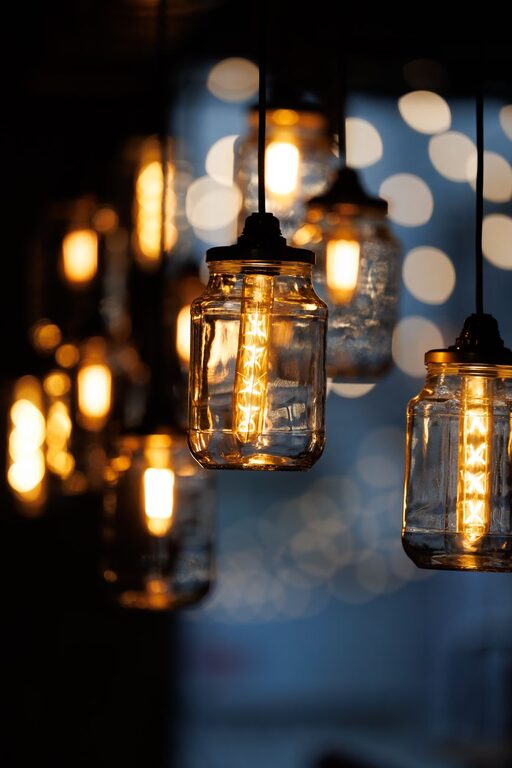
Creating comfortable lighting in your home is essential for both functionality and ambiance. The right lighting can make your rooms feel cozy, inviting, and practical for daily tasks. Whether you’re reading, cooking, working, or relaxing, good lighting supports your activities while contributing to the overall aesthetic of your space.
In this post, we’ll explore useful tips for choosing comfortable home lighting that suits your needs and style.
Understanding the Importance of Comfortable Lighting
Comfortable lighting isn’t just about brightness; it’s about creating an environment that feels natural and pleasant. Poor lighting can cause eye strain, headaches, and fatigue, while well-designed lighting improves focus, mood, and even sleep quality.
Factors such as color temperature, brightness levels, and light direction all affect comfort. Let’s break down how to assess these and select lighting that works best in your home.
1. Consider the Purpose of the Room
Every room has unique lighting needs based on what you do there. Think about the main activities in each space:
– Living Room: A mix of ambient (general), task, and accent lighting works well. It should be flexible for reading, watching TV, or entertaining.
– Kitchen: Bright, clear light is important, especially over work surfaces. Task lighting under cabinets enhances safety.
– Bedroom: Softer, warmer lights promote relaxation. Include bedside lamps for reading.
– Bathroom: Bright, natural light around mirrors helps with grooming.
– Home Office: A balanced, glare-free setup to reduce eye strain.
Adjust your lighting choices according to these functions for optimal comfort.
2. Choose the Right Color Temperature
Color temperature describes the warmth or coolness of light, measured in Kelvins (K). It greatly influences the mood and comfort level.
– Warm Light (2700K–3000K): Creates a cozy, inviting atmosphere. Great for living rooms, bedrooms, and dining areas.
– Neutral Light (3500K–4100K): Balanced white light that works well in kitchens, bathrooms, and workspaces.
– Cool Light (5000K+): Mimics daylight, sharp and energetic. Suitable for reading areas or offices.
When choosing bulbs, look for the color temperature on the packaging to match the mood you want.
3. Opt for Adjustable Lighting
Lighting that can be dimmed or adjusted allows you to control brightness according to time of day and activity. Installing dimmer switches or smart bulbs lets you create softer lighting in the evening or brighter light during work hours.
Adjustable lighting increases comfort by reducing glare and helping your eyes adapt to changing conditions.
4. Use Layered Lighting
Layered lighting involves combining different types of light sources in a room:
– Ambient Lighting: The main source, such as ceiling fixtures or chandeliers.
– Task Lighting: Focused lighting for specific activities, like desk lamps or under-cabinet lights.
– Accent Lighting: Decorative lights that highlight artwork, plants, or architectural features.
This approach helps avoid harsh shadows and ensures even light distribution, making spaces more comfortable and visually appealing.
5. Pay Attention to Bulb Quality and Brightness
Not all bulbs are created equal. Choose bulbs with a high Color Rendering Index (CRI), ideally 80 or above, to display colors accurately and naturally. This reduces eye strain and improves the overall look of your space.
Brightness is measured in lumens rather than watts. A general guideline for living spaces is:
– Living room: 1,500 to 3,000 lumens total
– Kitchen: 3,000 to 4,000 lumens
– Bedroom: 1,000 to 2,000 lumens
Combine multiple light sources to reach the desired level comfortably.
6. Avoid Glare and Shadows
Glare occurs when light shines directly into your eyes or reflects off surfaces. Position lamps and fixtures so light is indirect or diffused. Use lampshades, frosted bulbs, or diffusers to soften harsh light.
Be mindful of shadows, especially in work areas. Multiple light sources from different angles can reduce shadows and help your eyes relax.
7. Choose Energy-Efficient Options
Comfortable lighting doesn’t mean wasting energy. LED bulbs are a great option as they consume less power, last longer, and offer a variety of color temperatures. Many LEDs are compatible with dimmers and smart controls, providing flexibility and comfort while saving on electricity bills.
8. Match Fixtures with Your Home’s Style
While comfort is key, aesthetics matter too. Choose fixtures that complement your décor style—whether modern, rustic, minimalist, or traditional. Stylish fixtures not only brighten your space but also enhance its personality.
9. Test Lighting Before Final Installation
Whenever possible, test bulbs and fixtures in the actual room. Lighting can look different depending on wall colors, window placement, and furniture. Spend time adjusting positions and brightness levels to find what feels most comfortable.
Final Thoughts
Well-planned home lighting improves both comfort and functionality. By considering the room’s purpose, color temperature, adjustable options, and layering your lights, you can create an inviting and practical environment.
Remember to avoid harsh glare, choose high-quality bulbs, and incorporate energy-efficient choices. With these tips, you’ll enjoy a beautifully lit home that supports your daily activities and personal style.