

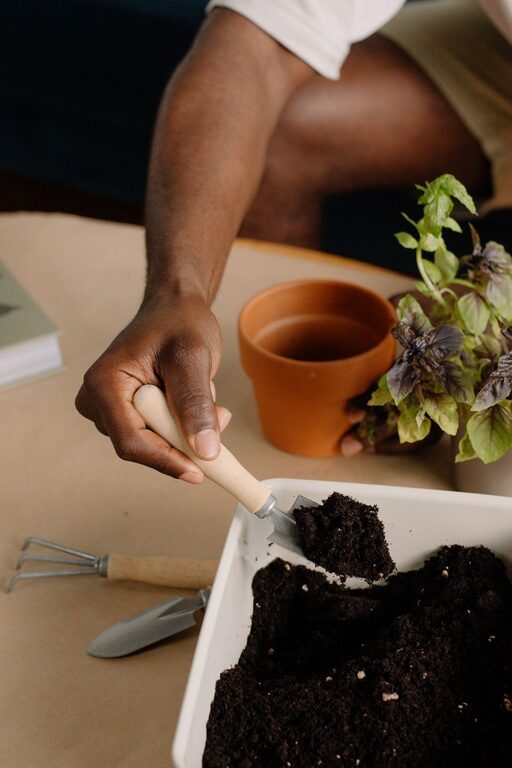
Starting a small herb garden indoors is a rewarding way to bring fresh flavors into your cooking and a touch of greenery into your home. Whether you have a spacious kitchen counter or just a sunny windowsill, growing herbs indoors can be simple and enjoyable. In this guide, we’ll walk you through everything you need to know to get your indoor herb garden up and running.
Why Grow Herbs Indoors?
Growing herbs indoors offers several benefits:
– Freshness: Pick herbs straight from your garden whenever you need them.
– Convenience: No need to run to the store for every recipe.
– Year-Round Growth: Indoor environments protect plants from harsh weather.
– Decor: Herbs add vibrant color and pleasant aromas to your living spaces.
– Satisfaction: It’s rewarding to nurture plants and watch them grow.
Choosing the Right Herbs for Your Indoor Garden
Not all herbs thrive indoors equally. Some are better suited to indoor conditions and limited space. Here are some beginner-friendly herbs that do well indoors:
– Basil: Loves sunlight and warmth; perfect for sunny kitchens.
– Mint: Grows vigorously; great for teas and desserts.
– Parsley: Hardy and versatile; prefers moderate light.
– Chives: Easy to grow; adds a mild onion flavor.
– Thyme: Requires good light and well-drained soil.
– Cilantro: Prefers cooler temperatures and moderate light.
– Oregano: Thrives in bright light and dry conditions.
Consider which herbs you use most often to decide what to grow.
What You’ll Need to Get Started
Before planting, gather your supplies:
– Containers: Pots or containers with drainage holes. Small to medium sizes work well.
– Potting Soil: Use a light, well-draining potting mix suitable for herbs.
– Seeds or Starter Plants: Seeds are economical; starter plants give a quicker start.
– Watering Can or Spray Bottle: For gentle watering.
– Grow Lights (Optional): Helpful if your indoor space lacks sufficient natural light.
– Plant Labels: To keep track of your herbs.
– Tray or Saucer: To catch excess water under pots.
Step-by-Step Guide to Plant Your Herb Garden
1. Choose the Right Location
Most herbs need at least 6 hours of sunlight daily. A south or west-facing windowsill is ideal. If natural light is limited, consider using grow lights for 8 to 12 hours a day.
2. Prepare Your Containers
Fill your pots with potting soil, leaving about an inch of space at the top. Make sure the containers have drainage holes to prevent waterlogging, which can harm roots.
3. Plant Seeds or Transplants
– Seeds: Follow packet instructions. Usually, plant seeds about twice their size deep. Cover lightly with soil.
– Starter plants: Gently loosen the roots if potted tightly. Plant at the same soil level as they were in their original container.
Water gently after planting.
4. Watering and Humidity
Keep soil consistently moist but not soggy. Water when the top inch of soil feels dry. Herbs generally prefer moderate humidity. If your home is very dry, mist the plants occasionally.
5. Fertilize Lightly
Use a balanced, water-soluble fertilizer every 4-6 weeks to encourage healthy growth. Follow the instructions to avoid over-fertilizing.
6. Prune and Harvest Regularly
Pinch or trim herbs frequently to encourage bushier growth and prevent flowering, which can reduce leaf flavor. Harvest leaves as needed for cooking.
Tips for Success
– Rotate pots occasionally to ensure even growth.
– Avoid overwatering; soggy soil can cause root rot.
– Keep herbs away from cold drafts or heating vents.
– Watch for pests like aphids or spider mites and address promptly.
– Use clean scissors or garden shears for harvesting to prevent damage.
Creative Ideas for Your Indoor Herb Garden
– Windowsill Garden: Line up small pots on a sunny sill.
– Hanging Planters: Save space by using hanging containers.
– Stacked Herb Tower: Use tiered planters for a vertical garden.
– Kitchen Counter Herb Box: Combine several herbs in a larger container with good drainage.
– DIY Containers: Reuse items like teacups or mason jars (with drainage adaptations).
Troubleshooting Common Issues
– Leggy growth: Usually caused by insufficient light; move herbs closer to a light source.
– Yellow leaves: Often a sign of overwatering or poor drainage.
– Slow growth: Could be due to lack of nutrients or light.
– Pests: Check under leaves; wash plants with water or use natural pest control options.
Final Thoughts
Starting a small indoor herb garden is a great way to enjoy fresh herbs year-round, brighten your home, and engage with nature in a small space. With a bit of care and attention, your herbs will thrive and become a lovely addition to your kitchen and meals.
Happy gardening!